maandag 16 februari 2015

Stress makes you balance


Both on my work as a management consultant as my volunteer job as a chairman of a volleyball and gymnastic sports club, I feel sometimes pressure. Both it are roles in which responsibility is on my shoulders. Most of the time there’s a balance between the responsibility and the tasks it entails, but sometimes it is important to makes very sharply clear what’s need to be done.

In both roles I learned that’s important to think enough about the future’s scenarios that probably will occur. It’s important to take actions that will prevent today’s issues, which are most of the time very difficult to solve.
When there are too many short term problems then the first thing is to stop with making new expectations. I first make a clustered action list. I put all important actions and promises on the action list. Then I take enough time to think which approach is necessary to solve the whole list.

My most important skill to work on is to prioritize ideas. My biggest challenge is to stop myself in taking new actions or things when I do not enough time to organize these. Maybe you can give me some advice!

zaterdag 20 december 2014

De kunst van dubbele winsten


Met grote focus loopt de professional van deze tijd recht op zijn doel af en bereikt dit dan ook op tijd en met het juiste resultaat. Maar wat als je niet alleen je doel bereikt, maar nog meer bereikt, zou dat je niet nog krachtiger maken? Daarmee behaal je dan wellicht zomaar een dubbele winst.
Laatst kwam ik tot het inzicht dat het zoeken naar dubbele winsten geen vanzelfsprekendheid is. Mijn veronderstelling was dat dit een alom bekende methode is. Toch werd ik laatst geprikkeld: Wat zijn dubbele winsten eigenlijk precies?

Een dubbele winst, zoals ik die zie, ontstaat als niet alleen het doel van een actie die je neemt bereikt wordt, maar daarnaast ook een groot neveneffect heeft. Het neveneffect wordt ook wel bijvangst genoemd. Bijvangst is een begrip uit de visserij, en is de vangst van andere vissoorten of dieren waarop niet bedoeld gevist wordt. Als de bijvangst groter of gelijk is aan het initiële doel, dan noem ik het een dubbele winst.

Als het effect nog groter wordt, dan kun je het hebben over driedubbele winsten. Ik heb ervaren dat het zoeken en benutten naar dubbele winsten tot enorme resultaten kan leiden, zowel voor mezelf als in groepen. Een aantal voorbeelden:
·       Doordat ik nu meer sport voel ik me niet alleen fitter, maar heb ik ook nog zeer interessante mensen leren kennen.
·       Ik ging vragen of ik een kopje suiker mocht lenen, maar nu heb ik ook direct kunnen bijpraten hoe we dat probleem gaan oplossen.
·       Het was een hele uitdaging om het voorstel op tijd af te ronden, maar door de intensieve samenwerking is er wel een hoogstaand teamresultaat neergezet.
·       Doordat we ieder jaar hetzelfde proces volgen weet iedereen waar hij aan toe is, en is het eenvoudige over te dragen aan anderen.
·       Doordat we meer aandacht hebben voor de klant in klantgesprekken zijn de klanten niet alleen meer tevreden, maar ze bellen ook minder vaak terug.
·       Doordat we met dagstarts werken, zijn we niet alleen meer doelgericht, maar is de teamspirit ook verbeterd.
·       Afgelopen weken heb ik een mindfulness cursus gevolgd, waarbij mijn doel was om wat meer in het nu te gaan leven en minder stress op mijn werk te ervaren. Doordat ik mijn medecursisten nieuwsgierig en met een open mind benaderde, kwam ik erachter dat 2 van hen een hele interessante baan hebben, die mij ook wel wat lijkt. Dat zette mij aan het mijmeren, wat zijn dat dan voor dingen die me zo specifiek aanspreken in die baan? Waardoor word ik getriggerd? Zou ik misschien minder stress ervaren in een ander soort werk dan wat ik nu doe? Een enorme bijvangst, die ik van te voren nooit had kunnen voorzien, en me straks wellicht zelfs een nieuwe baan oplevert.

Het zoeken en benutten van dubbele winsten is niet eenvoudig, maar geeft wel enorm veel energie. De dubbele winsten lijken soms vanzelf naar je toe te komen, maar is dat te beïnvloeden? Hierna een stappenplan in het zoeken naar dubbele winsten:

1. Open mind en verwonderen
Als je deed wat je altijd al deed, dan krijg je wat je altijd kreeg. Als je open wilt staan voor extra effecten die je niet van te voren bedacht had, dan vraagt dat een open mind. Een effectief voorbeeld is de kracht van verwondervragen. Een verwondervraag is een vraag die al een suggestie in zich heeft, zoals:
·       Wat heb je gisteren geleerd dat je meeneemt naar vandaag? (veronderstelling is dat je dat geleerd hebt)
·       Welke successen heb je geboekt? (veronderstelling is dat er successen geboekt zijn)
·       Wat maakte dit succes? (veronderstelling is dat iemand weet hoe het tot stand is gekomen)

2. Kies de juiste koers
Een positief effect van een bijvangst of dubbele winst valt alleen op als je weet wat je wilt bereiken. Het is dus essentieel dat je weet in welk hoek je de bijvangsten en dubbele winsten wilt zoeken of creëren. Een voorbeeld:
·       Doordat we die teamafspraak hadden gemaakt was het voor iedereen duidelijk, maar werd het nog leuker ook. (je wilt plezier en resultaat)
·       Hoe kan ik dit beter doen en er minder tijd aan besteden?
·       Hoe kunnen we snelle leveren en er met minder collega’s aan werken?
·       Hoe kunnen we het proces anders inrichten, zonder iets te veranderen?

3. Neem voldoende tijd om te mijmeren
Neem de tijd om tot de juiste aanpak te komen. Juist door jezelf de tijd en gelegenheid te geven om te mijmeren, ontstaan vaak meerdere oplossingsrichtingen.

4. Combineer doelen in een aanpak
Als je op onbewust niveau de doelstellingen en mogelijke manieren van aanpak kent, dan kun je die bij elkaar brengen tot een aanpak. Die combinatie kan leiden tot dubbele winsten. Een paar voorbeelden:
·       Doordat ik een collega vraag om me te helpen, kunnen we ook die andere klus direct afronden.
·       Doordat we toch om tafel zitten, kan ik direct ook dit onderwerp even bespreken.
 

Krachtig instrument voor zowel persoonlijke ontwikkeling als teamontwikkeling
Iedereen zal een of meerdere dubbele winsten herkennen en ook zelf benut hebben. Door regelmatig scherp te evalueren welke doelstellingen je behaald hebt, wordt je steeds bewuster van het fenomeen. Je zal steeds bewuster worden hoeveel succes volgt door de intenties die je had en hoeveel bijvangsten op je pad komen.
Bijgaande ideeën heb ik ontwikkeld met Janna de Feijter en we hebben dit samen tot bijgaande blog gebracht.

zondag 2 november 2014

What's the impact of technology on society?

The last 25 years I have experienced a lot of new technology breakthroughs such as Internet technology, navigation satellite technology, and computers. This new technology changed drastically the processes in all business and social environments such as retail, healthcare, education and government.

I have the strong belief that the technology will change our lives at least as much as in preceding years. In the coming years we can expect self-propelled vehicle, diagnostic tools to detect illnesses, 3D printer, pay by phone and access control via eye scan. Over 10 years this kind of technology is common and we will have new ideas to improve our lives.
I can hardly imagine how the world will looks like in 2040. I believe new technology is always about how can we do more in less time and how can we improve our standard of living. This need on more and more efficiency and quality of live people is the massager of ideas of new technology.


Communication is an important factor for efficiency and quality of live. In 2040, a lot of devices will enable you to communicate with all people you like matter where they are. Imagine that you can speak to all the people who have ever lived with a 3D-robotic.

maandag 9 juni 2014

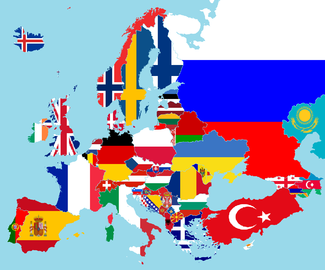
European collaboration is necessary for our children

All countries in Europe have a very strong heritage based on their own traditions on languages, culture and art. All these European countries have a high standard of living in prosperity and wellness. The only way to continue this standard is to work together with each other and take part of the world economy. As an example you see that the new technology is increasing very fast. The internet allows us to share information very fast, therefore the knowledge is shared worldwide unthinkably fast. New technology and production techniques are shared, and you have to collaborate on these new methods.

Another point is the scalability of activities. The world standards on transport and logistics are very sophisticated, therefore companies can produce and distribute in very short time worldwide. An introduction of new products took at least some years to introduce worldwide, but now companies can do this within a year on a very high scale.

All overlooking I think it’s tremendously important that the collaboration in Europe has to be intensified. It’s important for our children that we remain an economic world player.


zondag 8 juni 2014

Think green, act green and be green

In these days green business is an important aspect of leadership. But why’s that?

All people know that they have to be mindful of the nature. The population growth is very strong and will go to 9 billion people in 2040 who have to live on Earth. Some years ago it started with legislation of pollution.
Nowadays most of your customers have mindfulness for nature on top in mind, and the others a bit more delitescent. Therefore your vision of the future and your branding has to be green. For example it’s clear that your organization has to deliver at least with a neutral contribution on Co2 emission within some years.

Also all your employees have the understanding that green business is important for the continuity of your business. More and more green thinking is also a selection criterion for young employee’s to choose for your company to work. For your current employee it’s important for their motivation and feeling about the company.

Finally I think the core of leadership is taking responsibility unconditionally. I think that thinking green is the same as thinking in reducing waste. We have to take care about our natural sources and don’t waste it.

vrijdag 30 mei 2014

Have companies a responsibility for charity?

Last month I had a discussion with a friend of mine about organization’s responsibility for charity. He was very tenacious that a company has to focus on their business and don’t ask employees to do some social events together. I really had not taken a position. I've been doing a lot of volunteering for a lot of years. I supported the activities of my previous employer, but I never participated with social group activities.

Coincidence or not? Last week my current employer organized a social group event. We went with forty colleagues to a retirement village. We had met the target to give the elderly a great afternoon with a walk around, making some tea and organizing a bingo with a lottery. I never organized or even experienced bingo, but it became three amazing hours to do that. We had organized the bingo and lottery for more than eighty people and there were a lot of prizes.

My biggest insight was, that it feels very good to help the elderly with my colleagues. We feel that we can really help them. My opinion about social activities became stronger. It’s important to give something back to the community together. Let’s give it a try!

maandag 26 mei 2014

How can you change office politics?

I worked 15 years in management functions of a telecom operator and now 5 months in a consultancy firm with a partner structure. You maybe think that there are a lot of differences, but I can assure you that that there are many similarities.

In both organizations you see the effects of a huge company. Middle management is very important to make the real vision and to coordinate activities. Middle managers are the leaders of the company and they have to collaborate with others to realize the goals. These middle managers have a lot of interaction with employees and top managers. The personal leadership skills are very important for these managers to keep the long-term vision in mind by making important decisions. The system of both organizations has a tremendous power of all individuals.

Last year I was been aware of this power in the simulation bases on a research by Barry Oshry called the Total System Power. Each individual, regardless if they were in the role of bottom, middle manager or top manager you can’t hardly break out of the system as an individual. In both organizations I see the tough call to change the system. Personal leadership is necessary to succeed.